By: Wan Srihani Wan Mohamed
Humanitarian architecture
Architecture is often understood through buildings, drawing, materials and construction. At its core, however, architecture is about people: how they live, gather, learn, work and build a sense of belonging. Community-centred architecture brings this responsibility into sharper focus by responding to the needs of communities facing social, economic, environmental or spatial challenges.
Humanitarian architecture should not be defined by emergency shelter or post-disaster reconstruction alone. This type of architecture also includes socio-economic community development, improving everyday environments for targeted communities such as indigenous people, low-income families, displaced populations, schools, rural settlements and communities whose voices are often overlooked in conventional development. These are often under-served clients whose needs, aspirations and lived experiences require greater attention in the design process.
Community participation
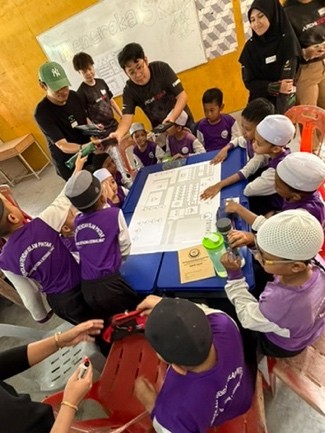
The process begins by listening, as architects must understand the community’s routines, cultural practices, resources and aspirations before proposing a building. A design may look successful on paper yet fail if it does not reflect how people live, which is why meaningful architecture emerges from dialogue, observation, participation and trust.
In community-based projects, residents should not be treated merely as recipients of professional assistance. They are important contributors who possess knowledge of their land, climate, traditions, materials and social relationships. Their participation can inform key decisions about spatial organisation, construction methods, maintenance and future expansion.
This approach may lead to solutions that are modest in scale but significant in impact. A shaded communal platform, a flexible learning space, an improved village hall or a simple self-build construction system can strengthen social relationships and improve daily life. The value of such architecture lies not only in how it looks, but in how well it serves the community: whether it is useful, affordable, culturally appropriate and easy to maintain.
Technology and empathy
As communities become increasingly shaped by digital communication, social media, artificial intelligence and instant access to information, architects must recognise that places are now experienced both physically and virtually. Yet technology should support, not replace, direct engagement, because digital data cannot fully capture cultural memory, emotional attachment, informal social practices or the dignity of being heard. All that has everything to do with inner human experience of space and time.
For the cyber generation, community-centred architecture reminds us that innovation should be measured not only by technological advancement, but by its ability to improve everyday life and strengthen human connection. Its future depends on combining digital knowledge with empathy, local understanding and shared responsibility. This is why community engagement remains essential: through exhibitions, dialogue and shared learning, architecture can help people feel recognised, included and empowered.
Examples of community engagement
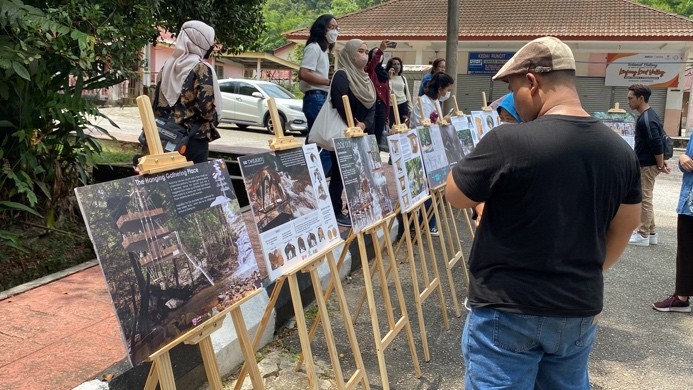
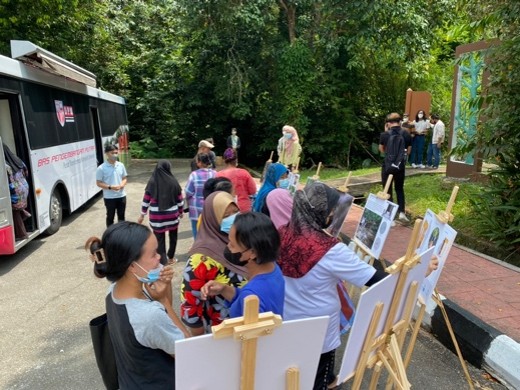
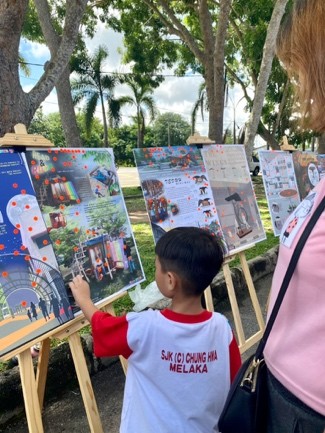
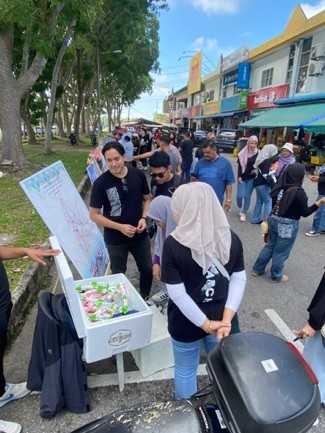
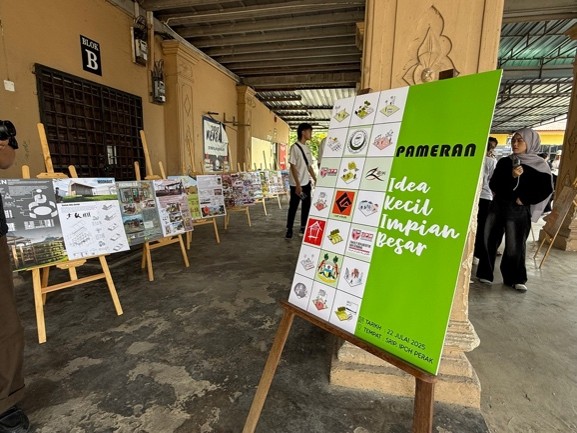
The following exhibitions illustrate how humanitarian architecture can extend beyond formal buildings into public engagement, local learning and shared community experience.
Outdoor Exhibition at Kampung Orang Asli Lata Kinjang, Chenderiang, Perak
TINY ARCHITECTURE OF KOALK @16 JULY 2022
Street Exhibition at Pekan Merlimau, Melaka
NADI MERLIMAU @12 JULY 2023
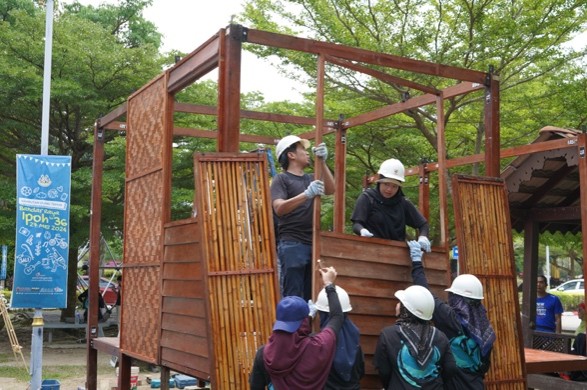
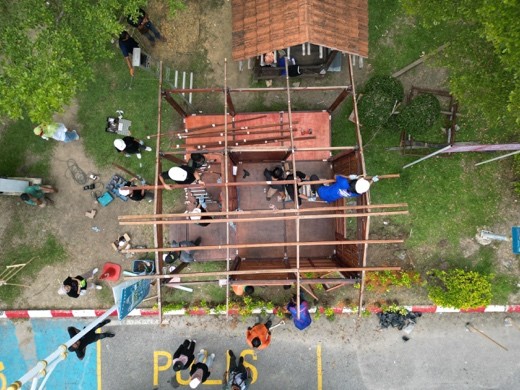
Pondok Ilmu Asli (PIAS) at Taman Rekreasi Gunung Lang, Ipoh, Perak
PIAS @17 JULY 2024
Street Exhibition at Pekan Merlimau, Melaka
NADI MERLIMAU @12 JULY 2023
Date of Input: 10/08/2026 | Updated: 10/08/2026 | alyarahim
MEDIA SHARING