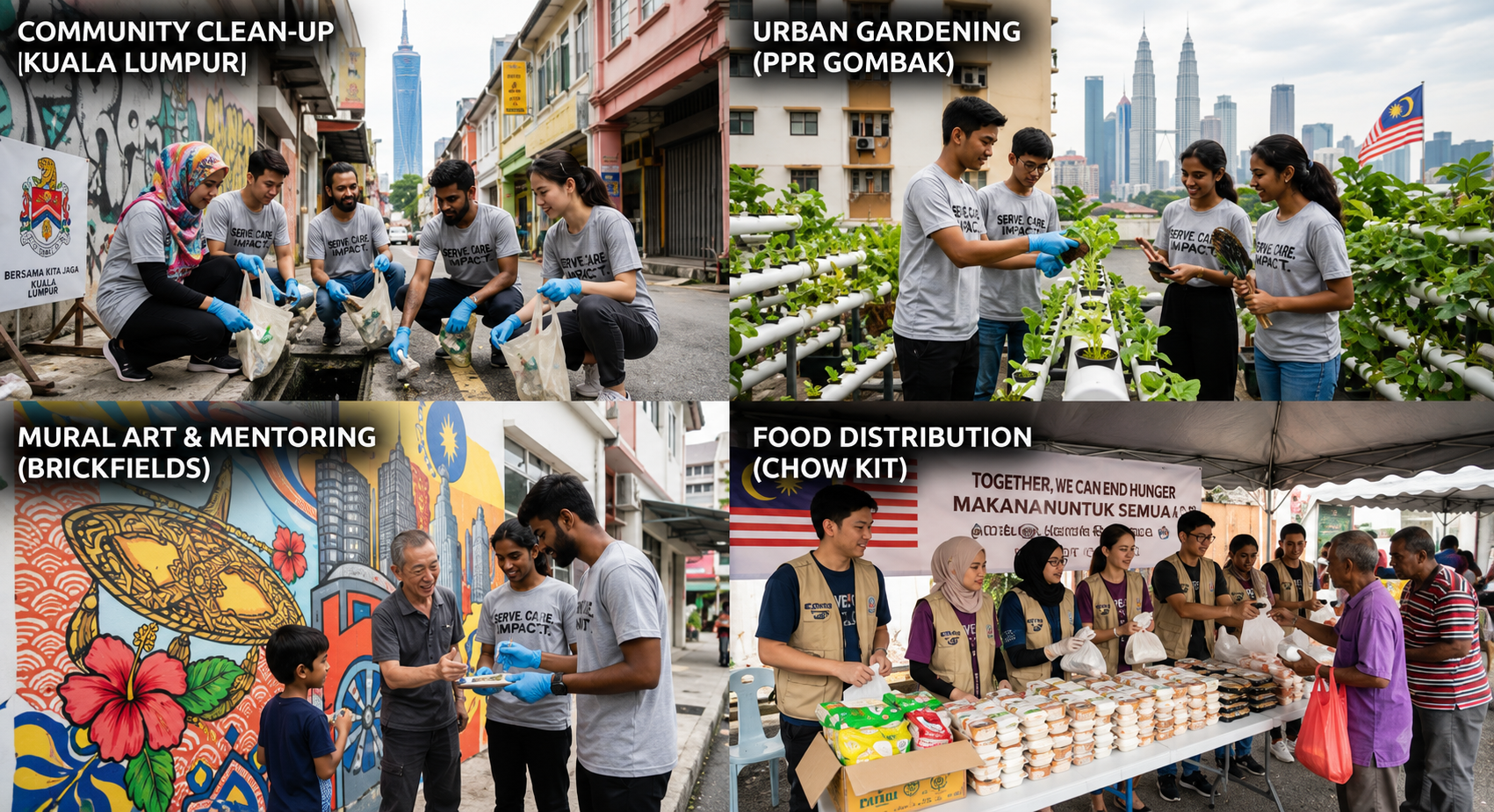
By: Nor Aini Mohamed
Life in the city is often described as a field full of opportunities. However, for the millions of youths who grew up in it, it is also a 'concrete jungle' full of challenges. Congestion, academic and social stress, as well as exposure to various risks make their growth process even more complicated.
In this context, the concept of 'safe space' emerged as a critical need. In general, a safe space for youth refers to an environment, whether physical, social, or digital, where an individual or group can feel safe, respected, and accepted as they are without fear of discrimination, harassment, criticism, or any physical and emotional harm.
For youth, this concept is especially critical as it provides a stable platform for them to go through complex phases of identity development, self-expression, and learning. A safe space is not just a place, but a supportive ecosystem built on trust and respect. The concept of safe space can be divided into four dimensions, namely physical safety, emotional and psychological safety, social safety and inclusivity, and intellectual safety and self-expression. Youth need to know that they can be in one place without worrying about their own safety, allowing them to focus on the activities and interactions that are taking place. The adolescent phase is often filled with feelings of insecurity and erratic emotions. An emotionally safe space allows them to be vulnerable, ask questions, and build healthy self-confidence. According to the American Psychological Association, psychological safety is a prerequisite for mental health and well-being in life. Furthermore, youth are in the process of understanding their social identity. An inclusive space teaches them about diversity, tolerance, and respect for differences, while reducing the risk of social isolation. To grow into a critical-minded individual, youth need an environment that encourages curiosity. An intellectually safe space allows them to build problem-solving skills and communicate effectively.
A safe space is not just a place that is free from physical harm, but it includes an environment that supports emotional and psychological health, promotes self-growth, and fosters a sense of belonging. Without such a space, youth are more prone to mental health problems, social isolation, and unhealthy activities.
Key Challenges of Urban Youth
To understand why this safe space is important, we need to identify the specific challenges faced by youth in urban areas:
- Mental Health: The National Health and Morbidity Survey (NHMS) 2022 by the Ministry of Health Malaysia shows an increasing trend of mental health problems among adolescents. The pressures of living in the city, including fierce competition and high expectations from families, are among the main contributors.
- Negative Influences: An urban environment that lacks community supervision can expose youth to negative influences such as substance abuse, criminal activity, and unhealthy associations.
- Lack of Positive Recreation Spaces: Rapid development often comes at the expense of open spaces and parks. Existing recreation spaces may not be youth-friendly, unsafe, or not easily accessible.
- Social Isolation: Despite being surrounded by thousands of people, many urban youths report feeling lonely and isolated. The interactions that often take place in the virtual realm cannot completely replace physical social connections.
Features of an Effective Safe Space
An ideal safe space for urban youth should have the following characteristics:
- Physically and Emotionally Safe: An area with good lighting, safety, and easy access. Most importantly, it is an environment that is free from bullying, discrimination, and non-judgmental.
- Youth-Led: Youth are given the opportunity to voice their opinions, plan activities, and manage their own spaces. This fosters leadership skills and a sense of ownership.
- Provide Self-Development Opportunities: These spaces should offer skill-building activities such as art workshops, coding classes, career coaching, or volunteering programs.
- Inclusive and Diverse: Accepts all youth regardless of racial background, religion, economic status, or ability. It celebrates diversity and encourages interaction between communities.
- Accessible: Strategically located and easy to reach by public transportation and has minimal or free entry costs.
Safe Space Models and Examples
A safe space does not have to be a new building. It can be manifested in various forms:
- Community Centres or Youth Centres: Upgrade existing community centres with relevant programmes for youth, such as music studios, co-working spaces, and counselling.
- Modern Libraries: Transforming the function of libraries from just a place to borrow books to a community hub that offers access to technology, digital workshops, and discussion spaces. For example, the Raja Tun Uda Library in Shah Alam.
- Parks and Public Spaces: Develop recreational parks with special facilities for youth such as skate parks, climbing walls, and open stages for performances.
- Arts and Culture Hub: Provide a space for youth to express their creativity through visual arts, music, theatre, and writing.
- Digital Safe Spaces: A well-regulated online platform for healthy discussions, peer support, and access to authentic information.
In creating a sustainable safe space, the cooperation of various parties is imperative. The government and local authorities need to formulate urban planning policies that prioritize the needs of youth, provide allocations, and ensure the safety of public spaces. Non-governmental organisations (NGOs) can be the main driving force in implementing youth programmes and reaching out to marginalised communities. Through corporate social responsibility (CSR), the private sector can contribute funds, expertise, or become mentors to youth. The community and parents need to provide support and encouragement to the youth to participate in positive activities as well as volunteer in monitoring the safety of these spaces.
In conclusion, building safe spaces for urban youth is not a cost, but a very important long-term investment. By providing an environment that supports their holistic development, we not only help them navigate the challenges of living in cities, but also form a generation of active and resilient leaders, innovators, and citizens. It's time for us to listen to the voices of youth and work together to build spaces where they can thrive safely and excel.
Date of Input: 07/10/2025 | Updated: 20/01/2026 | nm_aini
MEDIA SHARING